How to choose a Web Designer: what to look for beyond the portfolio
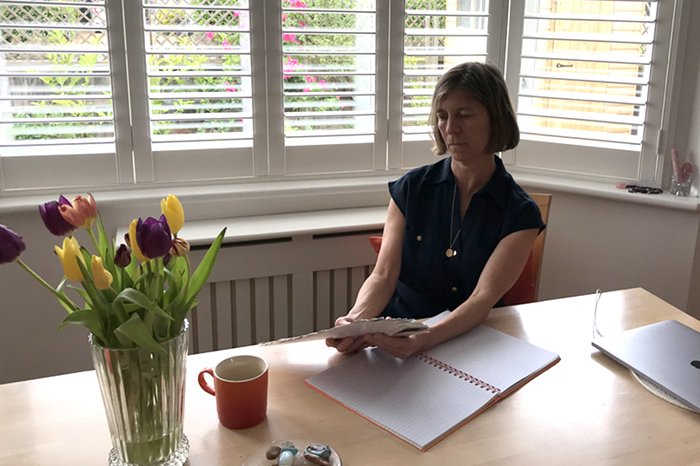
Choosing the right designer and knowing what to look for beyond visual style.
There’s a specific moment when a potential client comes to me wanting to create a new website.
Perhaps they are building their first professional website, moving on from a DIY site, or their business has evolved significantly and their current website no longer reflects the level, positioning or direction of their work. Others have accumulated complexity over time and need a more considered rethink.
Whatever has brought them there, knowing how to choose a Web Designer requires a certain amount of discernment.
Some of that choice is practical and tangible. Some of it is intuitive. I believe both matter.
Choosing a website designer is more layered than simply looking through a portfolio and deciding whether you like the style. You are selecting someone to create a commercial asset for your business, one that needs to represent your brand, communicate what you do and support where the business is going.
So how do you choose a designer who will understand the business behind the website, create something that feels genuinely aligned with your brand, and have a working process that suits you?
The portfolio is a useful place to start. But it is only part of the picture.
Table of Contents
What this blog posts covers in a nutshell
Look beyond the portfolio and understand the process behind the work.
Look for a designer who takes time to understand your business and vision.
Consider whether they understand both the commercial and intuitive sides of your work.
Choose someone who can see where your business is going, not just where it is today.
Pay attention to how well you collaborate and communicate together.
Trust your own discernment and notice how you feel in their presence.
The portfolio is not the whole story
A portfolio can tell you a lot about a designer’s visual style. You can see if their work appeals to you and whether they are capable of creating a polished website.
But it tells you very little about what happened behind the scenes.
You cannot see how well the designer understood the business, whether the positioning was right, how the brand was translated visually, or how the different elements were brought together.
I have had clients come to me with websites that are, on the surface, well designed. Yet they tell me the website doesn’t feel like them. It doesn’t fully represent the depth of their work or their long-term vision. Sometimes they have barely shared it with anyone because, on some level, they know there is a disconnect.
This is where aesthetics alone can fall short.
For me, beautiful design always matters. And every design decision also needs to have a reason for being there. When the foundation is right, the visual direction has something meaningful to respond to. The imagery, typography, layout, tone and overall aesthetic can emerge from the brand essence rather than being chosen simply because they look good.
A website can look accomplished and still feel disconnected from the business behind it.
So when you are looking through a portfolio, by all means ask yourself whether you like what you see. But remember that you are only seeing the final layer of a much bigger process.
The more revealing question is what happened before the designer opened their design tool.
What happens before designers make decisions
One of the clearest signs of a good designer is the depth of the foundation they create with you, so that the website can emerge from a deeper understanding of the business, its vision and how it all started. I find there’s usually a story behind the creation of a business, and sometimes that story can enrich the brand.
I usually start with the Brand Essence. It can seem like an intangible step, but it determines the quality and depth of everything that follows.
A considered process includes a real conversation about the business, its customers and its long-term vision. Good designers are genuinely curious about your business. They listen, gather relevant information and amplify your vision from the start. You feel seen in the full totality of your work.
Their skill lies in drawing out the different threads of the business and weaving them into a clearer vision and direction for the website. When the process is collaborative, structured and not rushed, what emerges is typically an expanded and elevated solution for the business. You can read more about my website design process here.
If a designer asks a handful of surface questions, forms a quick impression and moves straight into producing website designs, there is a risk of missing the richness beneath the surface. The result can still look accomplished, but it may not hold over the longer term.
Design is about providing solutions that support the desired outcome for the business, not simply creating something that looks good.
I don't design only for where your business is today. I design a container for where you are moving towards. Your website can hold that future vision and become a visual expression of your next chapter.
Do they fully understand your business?
Technical and creative skills are important, but they are only part of what you are looking for in a web designer.
If you come from a corporate or business environment, you already understand strategy, positioning, customers and the commercial realities of running a business. But perhaps your work has evolved, and you are now building a business around a different set of values, or revealing a more personal, intuitive or vulnerable side of yourself. You need a designer who can understand both.
A designer who can bring a strong level of commercial understanding to your project while also connecting with the more intuitive, values-led aspects of what you are creating. Someone who can translate intangibles and subtleties that may be difficult to articulate into a clear and compelling brand and website.
This requires a combination of technical and creative ability, with the capacity to listen, interpret and translate with visual flair, intelligent design and big-picture thinking.
For me, this combination is important. The strongest work happens when commercial thinking, intuitive understanding, creativity and technical skill can work together.
Information is useful. But putting the whole picture together is another skill.
Questions to ask when choosing a Web Designer
There are plenty of articles covering the practical and technical questions, so here are some questions that can help you assess the person and the relationship.
How do you get to know a business before you start designing?
You are listening for a genuine process of discovery, not simply a questionnaire or brief that you created.How do you approach positioning and the bigger picture of the business?
You want to understand whether they see the website as part of the business strategy, rather than an isolated design project.How collaborative is the process?
Listen for how they involve you in developing the visual and strategic direction, rather than presenting something fully formed that you are simply asked to approve.How do you bring together the different elements of a brand?
This can reveal whether they think about photography, copy, brand essence, visual identity and website design as connected pieces.And perhaps the question that cannot really be asked out loud: how did I feel in their presence?
Did you feel relaxed? Inspired? Understood? Elevated? Were you able to be yourself and talk openly about your business?
One more thing; don't feel you have to decide immediately. Give yourself time to notice how the conversation feels once you've stepped away from it. The clearest answer may come after the practical details have settled.
Red flags worth noticing
Most lists of web designer red flags focus on things like poor SEO, slow websites, unclear pricing or lack of technical knowledge. Those things matter, but there are other red flags that are much harder to spot before you start working together.
A designer who wants to start designing before they really understand your business.
A designer who treats your brief as a form to complete rather than the beginning of a conversation.
A designer who seems more interested in showing you what they can create than understanding what you actually need.
A process where you are presented with a finished direction rather than invited into the thinking that shaped it.
And perhaps most importantly, a feeling that you are not being heard. If you find yourself repeatedly explaining the same thing, struggling to communicate what matters to you, or feeling that the designer has already decided what your business needs before they have really understood it, pay attention to that.
The website may still look beautiful. But the process is telling you something.
What the process can look like
A good working relationship has a clear progression.
First comes the foundation: understanding the business, its vision, positioning and brand essence.
Then the creative work: translating that understanding into a visual direction and developing the website collaboratively.
Then the build: bringing the approved design together with the copy, photography and functionality to create the finished website.
Then launch, followed by the appropriate support to help you move forward with confidence.
The details will vary between designers, but there must be a sense of thoughtfulness and progression rather than a rush from initial conversation to finished website.
Choosing the right website designer
Knowing how to choose a Web Designer is ultimately about more than finding someone whose portfolio you like.
It is about finding someone who can understand the whole picture, see the vision underpinning what you are building and design the online container for your next chapter.
Someone who can listen to what you know, draw out what you may not yet have articulated, and bring together the commercial, creative and more intangible aspects of your work.
The right designer will bring their own expertise and perspective to the process, while creating enough space for your vision to emerge.
So look at the portfolio. Look at the technical skills. Look at the experience. Read the testimonials.
But also pay attention to the process, the questions they ask, the way they listen and how you feel in their presence.
Ultimately, you are choosing a Web Designer to translate something deeply important about your business into the world. That requires more than a good eye. It requires understanding, discernment and trust.
Looking for a web designer who understands the whole picture?
My bespoke website design process brings together commercial thinking, intuitive understanding, creative direction and technical skill. A calm, visually intelligent approach to create a Brand container and hold the vision of your next chapter.
Frequently asked questions
-
Look beyond their portfolio and consider the whole process. How do they get to know your business? Do they understand your vision? Do you feel heard and understood? And does their way of working feel right for you?
-
A portfolio shows you the final visual result, but not what happened behind the scenes. Look for evidence of thoughtful discovery, collaboration, strategic thinking and an ability to understand the business behind the website.
-
Yes! Designers offer visual solutions that are a part of the big picture of your business. Hence they do need to understand enough about your positioning, customers, vision and commercial context to make informed design decisions. The website is a commercial asset, not simply a collection of attractive pages.
-
That's part of the value of working with an experienced designer. You don't need to arrive with everything already figured out. A good designer will become a collaborator. They will listen, ask questions, draw out the different threads of your business and help weave them into a clearer vision and direction.
-
Very! You are likely building something meaningful, maybe even personal. A Designer may become an asset for your business. A true expert will contribute and help you amplify your vision. Pay attention to how you feel in their presence. Do you feel relaxed, inspired, understood and able to speak openly? Give yourself time to notice how the conversation feels after you've stepped away from it.